Booking
Booking mistakes that rarely look dramatic—until they do
Most expensive booking errors are clerical: a name character, a document date, a self-transfer treated like a connection. Fix them before payment.
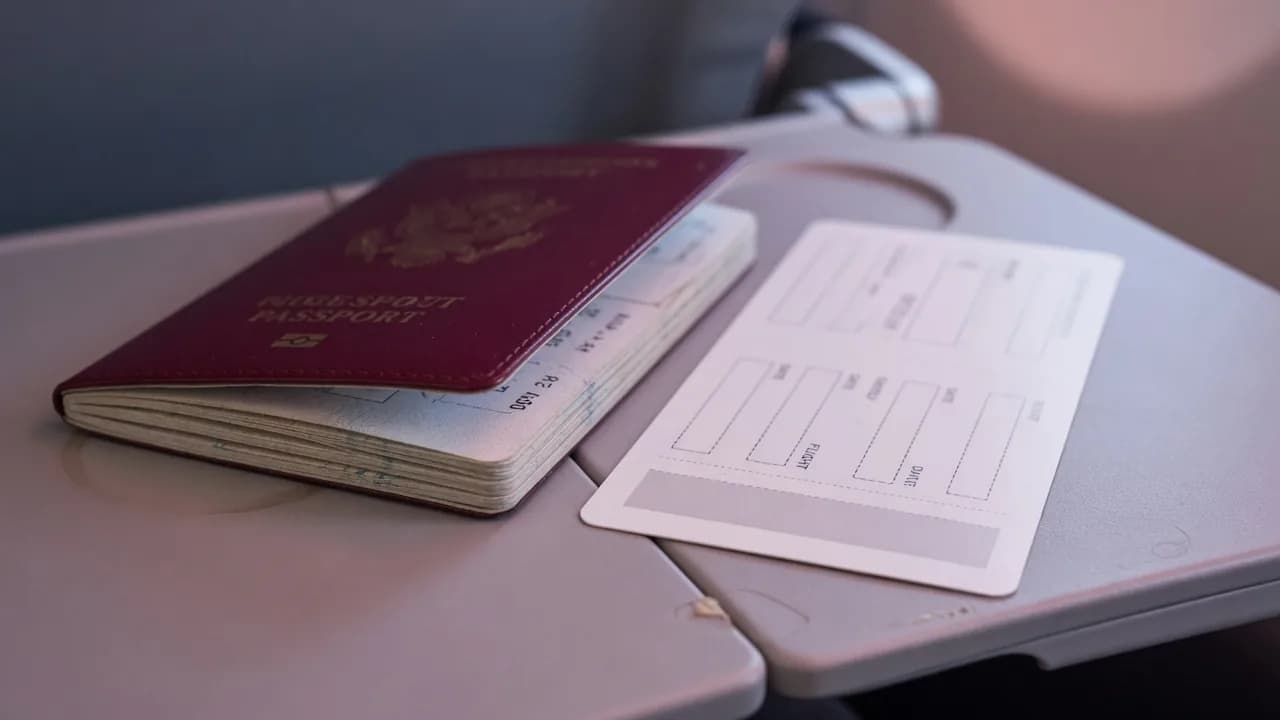
The booking mistakes that hurt most are often dull. Not “I flew the wrong airline for fun,” but “the middle name did not match the passport” or “I assumed two tickets would wait for each other.” Airlines and hotels run on exact fields. Curiosity and optimism do not patch databases at the gate.
Names: match the travel document, not your inbox
Enter the passenger name as it appears on the passport or government ID you will present—character set, order, and spelling. Nicknames, omitted middle names, and reversed given/family names are a frequent source of correction fees or denied boarding, depending on the carrier and how far out you are.
If a cultural naming order differs from the form’s “first / last” labels, slow down. Get a second person to read the ticket against the passport photo page before you pay.
Passport validity and entry rules
Many destinations require passports valid for a period beyond the planned exit date. Others care about blank pages or prior stamps. These rules are not the airline’s marketing problem; they are yours at check-in. Verify against official government sources for your nationality—not a forum thread from three years ago.
Airport codes and “same city” assumptions
Booking the wrong airport in a multi-airport city is a classic expensive typo. Confirm the code, not only the city name. The same applies to return journeys: an open-jaw that looks clever on a map can strand you with an unplanned cross-town transfer.
Self-transfer is not a connection
On a single ticket, the airline generally has obligations if a delay breaks a connection (subject to the fare rules and regime). On separate tickets, a delay on flight A typically does not entitle you to free changes on flight B. Build your own buffer, or buy a protected connection on purpose.
Fare rules you skip at checkout
- Change and cancel terms—especially on cheap one-ways.
- Bag allowances; a low base fare plus bags can exceed a higher inclusive offer.
- Schedule-change policies if you are booking far ahead on volatile routes.
Contact data that can receive schedule changes
Use an email and phone you actually monitor. Schedule changes and rebooking offers often arrive with short windows. A secondary address you never open is how people learn about a departure-time shift the night before—or not at all.
A pre-pay checklist that fits on one screen
- Passport or ID name equals ticket name.
- Document validity covers the trip under the destination’s rules.
- Airport codes match the intended fields both ways.
- Connections are on one ticket—or buffers are conscious.
- Cancel/change and bag terms are acceptable at this price.
- Contact email and phone can receive schedule changes.
When something still goes wrong after purchase, know the channel and timeline for changes. FlyorBook’s refund policy covers product-side processes; airline rules still govern the ticket itself. For the next booking, run the checklist inside search before you confirm—not after the card is charged.