Airports
The 24-hour booking check and how to audit flight disruption risk
The first 24 hours after you book a flight are your best chance to catch passenger data errors, tight hub connections, and misunderstood cancellation terms.
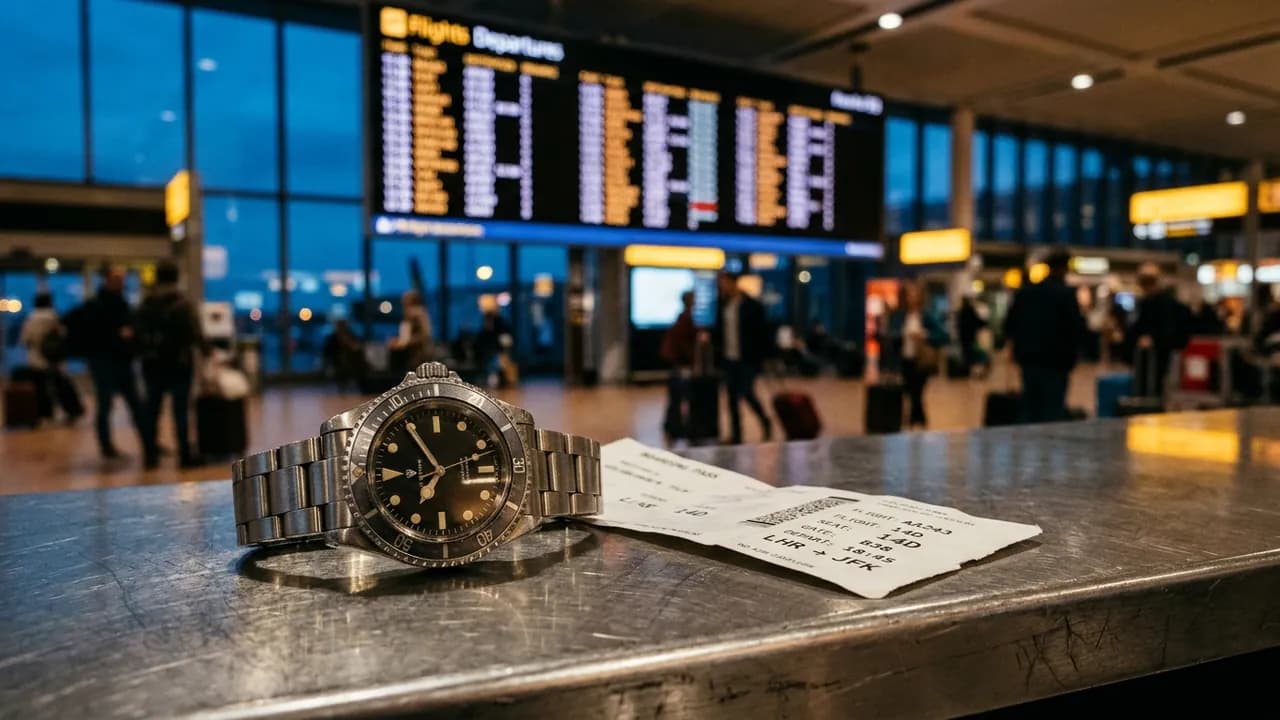
Most costly flight problems are visible within thirty minutes of purchase—long before anyone packs a bag. A middle name truncated against a passport machine-readable zone, a return leg booked for the wrong month, or a forty-five-minute international-to-domestic transfer at a sprawling hub is much cheaper to fix on day one than at the check-in counter.
Yet travellers routinely treat the confirmation screen as the finish line. A better habit is a structured post-booking audit paired with US FAA airport advisories and weather checks (plus your operating airline’s status feed) as departure approaches.
What the 24-hour rule actually covers—and where it does not apply
Under US Department of Transportation regulations (14 CFR 259.5), carriers selling tickets for flights to, from, or within the United States must either allow a reservation to be held at the quoted fare for 24 hours without payment or allow a paid booking to be cancelled within 24 hours without penalty, provided the purchase is made at least seven days before the scheduled departure.
Two caveats catch travellers off guard every week. First, the seven-day cutoff is strict: a ticket bought five days before departure is governed immediately by the fare’s normal change and refund rules. Second, outside US jurisdiction—or when booking through third-party intermediaries and supplier checkouts whose terms differ from direct carrier websites—cooling-off rights depend on the specific contract of carriage, point of sale, and checkout disclosures you accepted.
The first-hour post-booking audit
- Confirm both the booking reference (PNR) and the 13-digit e-ticket number. A reservation code without an issued ticket number means payment or ticketing is still pending with the supplier.
- Check every passenger’s first, middle, and last name against the passport or government ID they will carry on the day of travel, along with date of birth and gender markers.
- Verify calendar dates on overnight and cross-dateline flights. A flight departing at 00:35 on Saturday requires you to be at the airport on Friday night.
- Inspect the airport codes on every segment. Multi-airport cities (such as London LHR/LGW/STN, New York JFK/EWR/LGA, or Tokyo HND/NRT) occasionally sneak a ground transfer into what looked like a normal connection.
Minimum Connection Time (MCT) is a legal floor, not a comfort guarantee
Airlines and airports publish Minimum Connection Times for domestic-to-domestic, domestic-to-international, and international-to-domestic transfers. If an itinerary meets MCT, the reservation system will sell it as a protected single-ticket connection. If your inbound flight arrives on time and you walk briskly, you will usually make it.
The trouble is that MCT assumes normal operations. It does not pad for late inbound aircraft, remote apron bus gates, non-Schengen or US port-of-entry passport queues, mandatory baggage re-check, or secondary security screening between terminals. When comparing itineraries in flight search, ask two operational questions about every connection:
- Is there a later flight on the same carrier (or alliance) to your final destination that same day if the connection breaks?
- Does the transfer require clearing customs, collecting checked bags, or changing terminals via landside train?
- Is the connecting hub prone to afternoon thunderstorms, winter de-icing queues, or ATC slot restrictions during your transfer hour?
- Are you travelling on a single through-ticket or two separate tickets? On separate tickets, the second airline owes you nothing if the first flight is late.
Preparing for schedule changes and day-of-travel disruptions
Between booking day and departure day, airlines routinely adjust seasonal schedules by a few minutes—or by several hours. Minor shifts rarely matter, but a significant schedule change or cancellation—such as a US DOT significant change under 14 CFR Part 260 (delays exceeding three hours domestic or six hours international, airport changes, added connections, or cabin downgrades), an EU/UK covered cancellation or long delay under Regulation (EC) No 261/2004 / UK261, or a shift that breaks minimum connection time—entitles you to an involuntary rebooking or a refund to your original form of payment when you choose not to travel, alongside any rights in the carrier’s contract of carriage.
Keep your booking confirmation accessible, review refund and cancellation procedures before you need them, check your airline’s official status alongside US airport delay advisories 24 hours before departure, and save live airborne flight tracking for monitoring inbound aircraft once airborne so you never arrive at the gate surprised by a ripple delay.